





The Ultimate Guide to Italian Dessert Names | A Journey Through Italy’s Sweet Traditions
The Ultimate Guide to Italian Dessert Names | A Journey Through Italy’s Sweet Traditions
Italy is a country where food is not just nourishment but an expression of culture, history, and passion. Among its many culinary treasures, Italian desserts hold a special place, blending rich flavors, diverse textures, and artisanal craftsmanship. From creamy indulgences to flaky pastries and frozen delights, Italian sweets offer a taste of centuries-old traditions that have been perfected through time.
Whether you are a tourist exploring Italy, a food lover eager to discover new flavors, or a history buff intrigued by the origins of classic desserts, this guide will take you on a delicious journey through the most famous Italian dessert names and their stories.
- Tiramisu – The Layered Coffee Delight
What Is It?
Tiramisu is a globally recognized dessert made with layers of coffee-soaked ladyfingers, mascarpone cheese, and cocoa powder. It originated in Veneto and has evolved into multiple variations, including fruit-flavored and chocolate versions.
Why You Should Try It
- A perfect harmony of bitter espresso and sweet mascarpone.
- A no-bake dessert with a melt-in-your-mouth texture.
Where to Find It
- Treviso: The widely accepted birthplace of tiramisu.
- Rome: Traditional trattorias serve classic recipes with a modern twist.
- Cannoli – Sicily’s Iconic Fried Pastry
What Is It?
Cannoli are crispy, tube-shaped pastries filled with a sweet ricotta mixture, often enhanced with chocolate chips, candied fruit, or pistachios.
Why It’s Famous
- The combination of crunchy shell and creamy filling makes it irresistible.
- A signature Sicilian delicacy that dates back to Arab influences.
Where to Find It
- Palermo: The heart of traditional Sicilian cannoli.
- Catania: Known for variations with different nuts and chocolate coatings.
- Panna Cotta – Italy’s Silky Custard
What Is It?
Panna cotta, meaning “cooked cream,” is a luxurious, chilled dessert made by thickening sweetened cream with gelatin and often topped with fruit coulis or caramel sauce.
Why You Should Try It
- Velvety texture with a delicate flavor.
- Available in countless flavors like vanilla, coffee, or even liqueur-infused versions.
Where to Find It
- Piedmont: The birthplace of panna cotta, using fresh dairy from the Alpine region.
- Milan: Often served in gourmet restaurants with creative presentations.
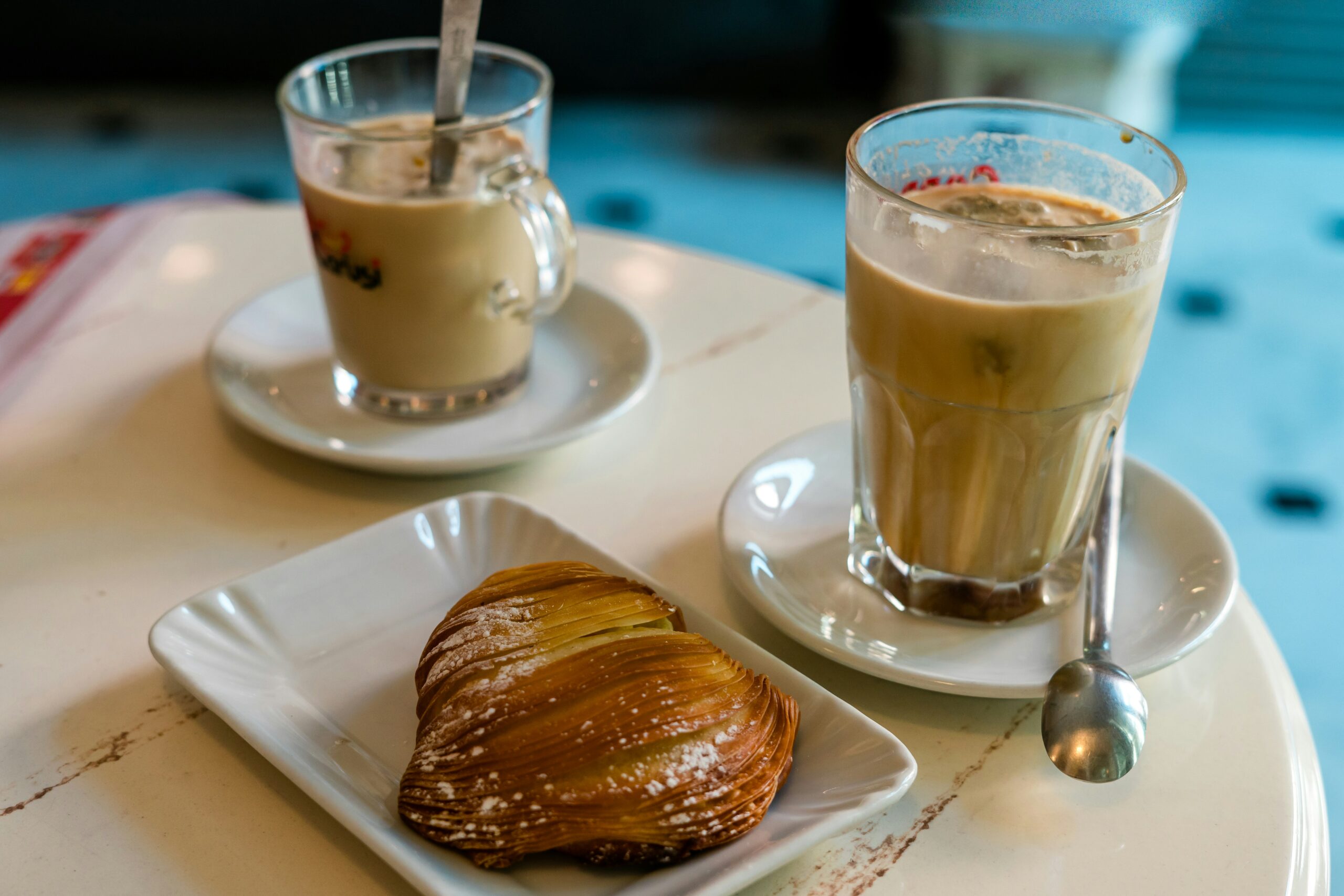
- Sfogliatella – Naples’ Famous Flaky Pastry
What Is It?
Sfogliatella is a traditional Neapolitan pastry with thin, crisp layers of dough filled with ricotta, semolina, and candied citrus.
Why You Should Try It
- Two versions: Riccia (crispy) and Frolla (softer, smooth-textured).
- A true test of a baker’s skill due to its intricate layers.
Where to Find It
- Naples: Authentic sfogliatelle are best enjoyed fresh from local pasticcerias.
- Amalfi Coast: Often made with the addition of lemon zest from local citrus groves.
- Zabaione – The Historic Italian Custard
What Is It?
Zabaione (or Zabaglione) is an egg-based dessert whisked with sugar and Marsala wine, creating a frothy, light custard.
Why You Should Try It
- A simple yet elegant dessert that dates back to the Renaissance.
- Served warm or cold, often with berries or biscotti.
Where to Find It
- Turin: A city famous for its rich zabaione.
- Venice: Traditionally enjoyed as a luxurious pairing with chocolate.
- Granita – Sicily’s Icy Tradition
What Is It?
Granita is a semi-frozen dessert made from water, sugar, and fruit juice or coffee, similar to sorbet but with a coarser texture.
Why You Should Try It
- Dairy-free and naturally gluten-free.
- A refreshing treat in flavors like lemon, almond, and coffee.
Where to Find It
- Catania & Messina: The best granita is served with a warm brioche bun.
- Palermo: Famous for almond and coffee-flavored variations.
- Pastiera Napoletana – The Easter Ricotta Tart
What Is It?
Pastiera Napoletana is a ricotta-based tart mixed with wheat berries, eggs, sugar, and orange blossom water, traditionally baked for Easter in Naples.
Why You Should Try It
- Rich in flavors of citrus and cinnamon.
- Symbolizes renewal and Italian festive traditions.
Where to Find It
- Naples: Nearly every bakery offers it, especially around Easter.
- Sorrento: Some versions include local limoncello for added zest.
- Struffoli – Naples’ Honey-Coated Holiday Treat
What Is It?
Struffoli consists of tiny, deep-fried dough balls coated in honey and decorated with colorful sprinkles.
Why You Should Try It
- A staple during Christmas and festive celebrations.
- Crunchy on the outside, soft inside, and rich in honey flavor.
Where to Find It
- Naples: The city where Struffoli is most associated with.
- Rome: Many pastry shops sell them in beautifully arranged displays.
Final Thoughts: The Best of Italian Desserts
Italy’s dessert culture is as diverse as its history, offering a wide range of flavors, textures, and regional influences. Whether you prefer a rich and creamy tiramisu, a crispy and delicate sfogliatella, or the refreshing simplicity of granita, there’s an Italian dessert for every taste.
How to Experience Italian Desserts Like a Local:
- Pair with coffee or dessert wine – Espresso with tiramisu, Vin Santo with biscotti, or limoncello with sfogliatella.
- Seek out traditional pasticcerias – Artisanal bakeries use time-honored techniques and the finest ingredients.
- Try seasonal and regional specialties – Many desserts change based on local traditions and available ingredients.
No matter where you are in Italy, indulging in its traditional sweets is a delicious way to experience the country’s rich culinary heritage.
Scroll to Top